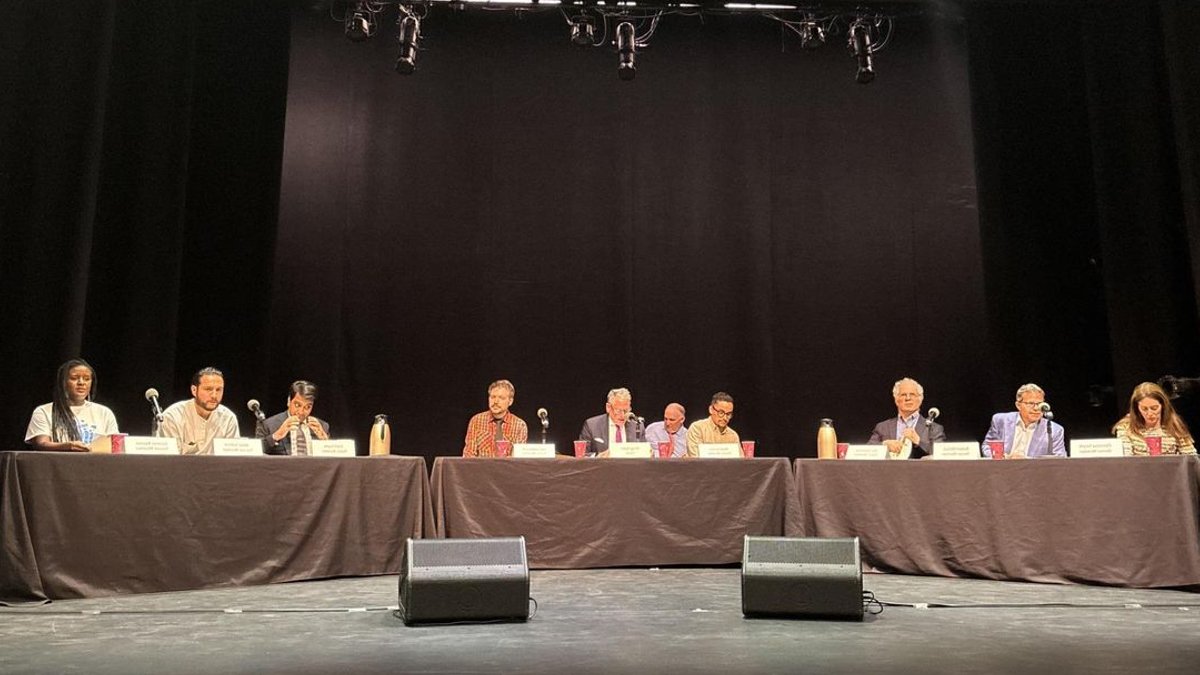
Christina Smythe resigned from the Rent Guidelines Board just hours before the nine‑member panel is set to vote on a proposed rent freeze for roughly one million rent‑stabilized apartments in New York City.
Resignation raises concerns about board independence
The resignation letter, obtained by a local outlet, accuses the board of failing to act independently as required by law. Smythe, appointed by former Mayor Eric Adams in 2022, argues that the decision‑making process has been “theater” since the mayor’s campaign promised a freeze on rent increases for the next four years.
“This year’s RGB order was decided last year on the campaign trail,” she wrote. “Everything since has been theater. The hearings, the reports, the public comment, the data. None of it was ever going to change the result.”
Related: How to Get a HGV Licence and Start Driving Professionally
Mayor’s plan and recent board activity
Mayor Zohran Mamdani’s platform includes a four‑year freeze on rent hikes for the city’s one million stabilized units. In February, he appointed six new members, creating a majority of his appointees. In May, the panel held a preliminary vote that set a potential increase of 0 % to 2 % for one‑year leases and 0 % to 4 % for two‑year leases. If approved, the two‑year lease rate would be frozen for the first time in the board’s history.
During that vote, owner representatives suggested rent increases of 3 % to 5.5 % for one‑year leases and 6 % to 8 % for two‑year leases. Smythe says the panel ignored its own research showing rising operating costs and falling income, especially in the Bronx where net operating income is already negative before debt service.
Reaction from landlord groups
Ann Korchak, president of the Small Property Owners of New York, called Smythe “the only meaningful voice” for small landlords and expressed deep concern over her departure. “More disturbing is the reason for her resignation,” she said. “If the vote is already predetermined by the majority Mamdani‑appointed RGB, then this independent board would be acting illegally by injecting political influence into its objective decision on rent adjustments.”
Broader housing market pressures
The Housing Stability and Tenant Protection Act of 2019 closed loopholes that some owners used to deregulate apartments, shifting the financial calculus for many properties. Property values have fallen, leaving owners underwater on mortgages with limited refinancing options. A recent letter from the Division of Homes and Community Renewal noted that more than 57,000 rent‑stabilized units were vacant as of April last year, up by about 8,000 from the previous year.
Related: How Medwaste Management Can Benefit From Incineration
Experts compare today’s situation to the multifamily divestment of the 1970s and 1980s, when economic stress and the Emergency Tenant Protection Act of 1974 led some landlords to set buildings ablaze for insurance payouts. While there is no evidence of arson now, the New York Fire Department reports a doubling of multi‑alarm fires in the past year, attributing the rise to aging housing stock.
State involvement and policy suggestions
Smythe warns that failing rent‑stabilized buildings will eventually burden the state. “When rent‑stabilized buildings fail, when owners walk away and tax liens pile up and tenants are left in deteriorating apartments, the problem does not end with this board. It lands in Albany,” she wrote. She urged Governor Kathy Hochul to amend the HSTPA to allow landlords to raise rents to sustainable levels after a tenant vacates.
Under current rules, succession rights can keep an apartment occupied by the same household for decades, limiting rent adjustments to what the panel approves. Before 2019, landlords could increase rent to market rates once a unit turned over, while keeping it regulated for the next renter. Restoring that flexibility could bring “tens of thousands of newly renovated, rent‑regulated apartments back online in months, not years.”
Related: Small business tips for when you are in a different country
Procedural outlook
RGB rules require a quorum of five members to conduct business, meaning the vote is likely to proceed Thursday night despite Smythe’s resignation.
The mayor’s office has not responded to requests for comment.
For more background on New York’s rent‑stabilization program, see the official city guide. The ongoing debate highlights the tension between preserving affordable housing and ensuring landlords can maintain their properties without sinking financially.



Leave a Reply